Optimal Timing for Backyard Paver Installation
Choosing the optimal time for installing backyard pavers can influence the durability and quality of the finished surface. Weather conditions, temperature, and soil moisture levels are critical factors that affect installation processes and outcomes.
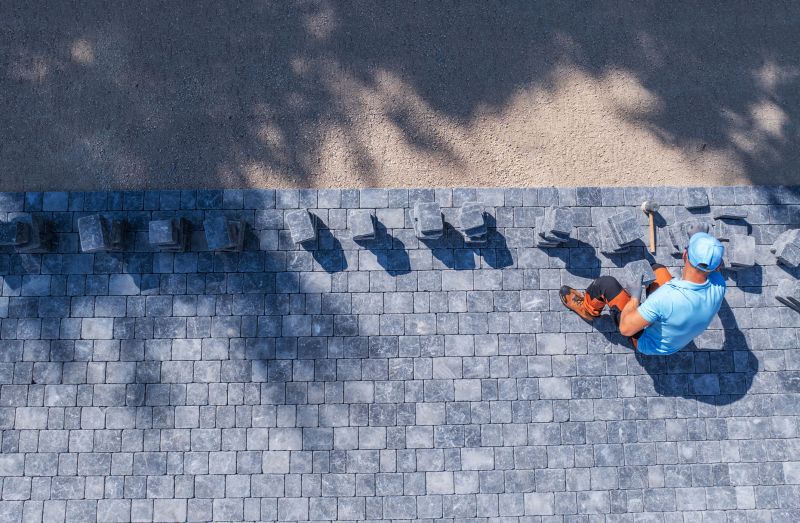
Spring offers moderate temperatures and longer daylight hours, making it suitable for paving projects.
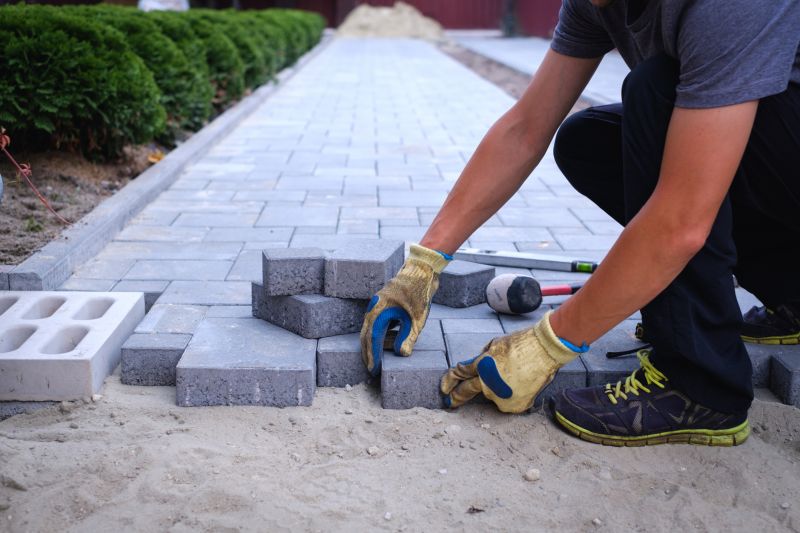
Summer provides warm weather, but high temperatures can affect setting times and materials.
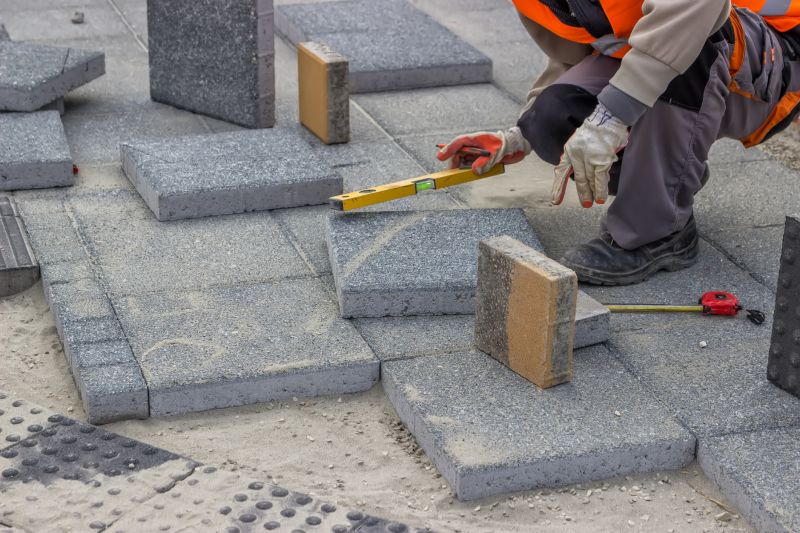
Fall allows for installation before winter, with cooler temperatures reducing the risk of rapid drying.
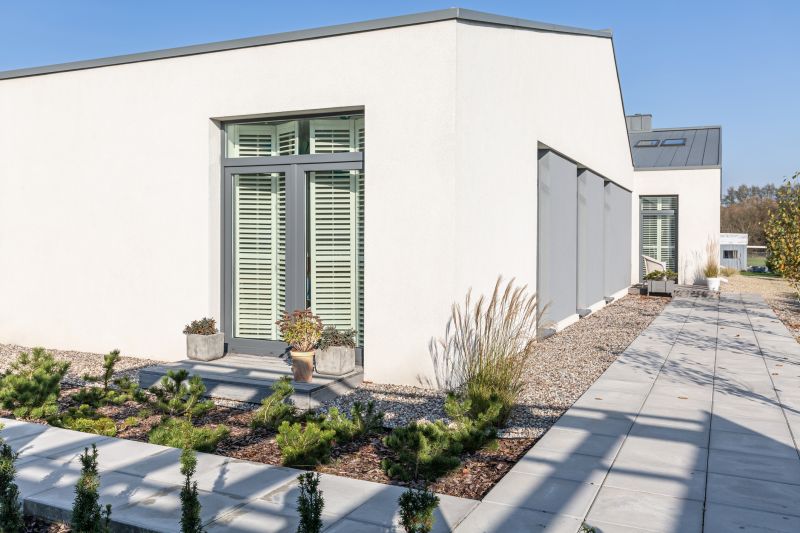
Ways to make Backyard Paver Installations work in tight or awkward layouts.
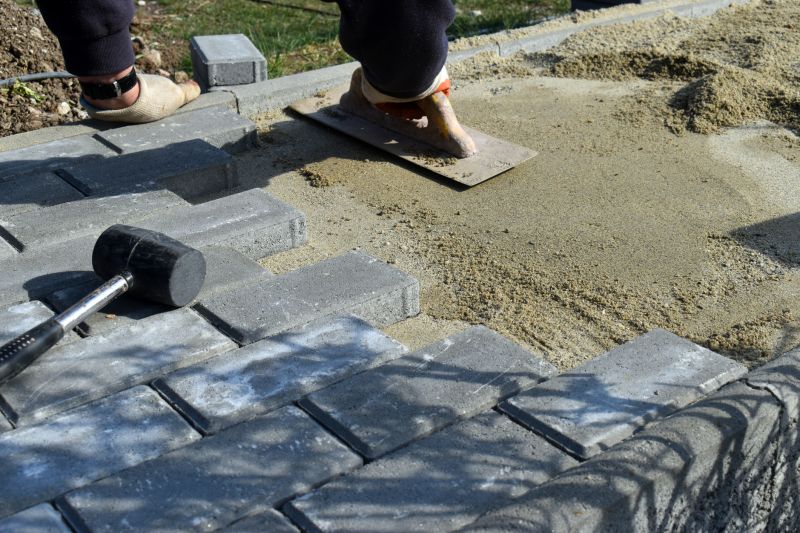
Popular materials for Backyard Paver Installations and why they hold up over time.
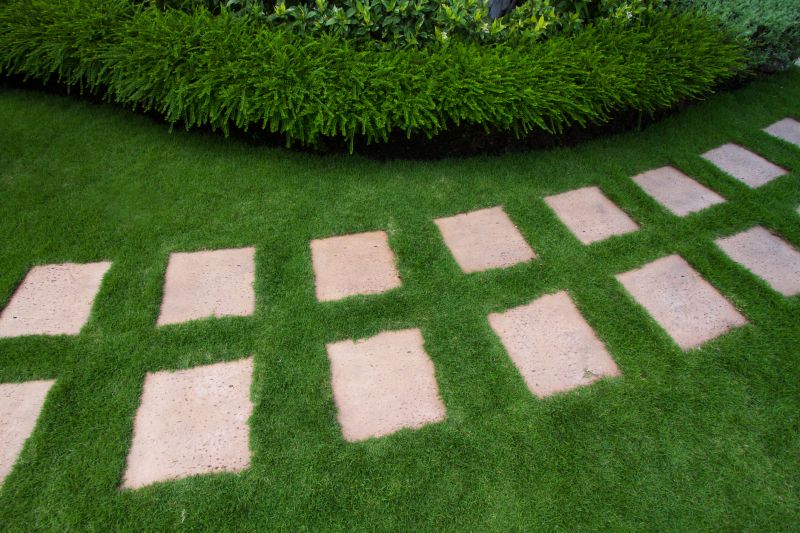
Simple add-ons that improve Backyard Paver Installations without blowing the budget.
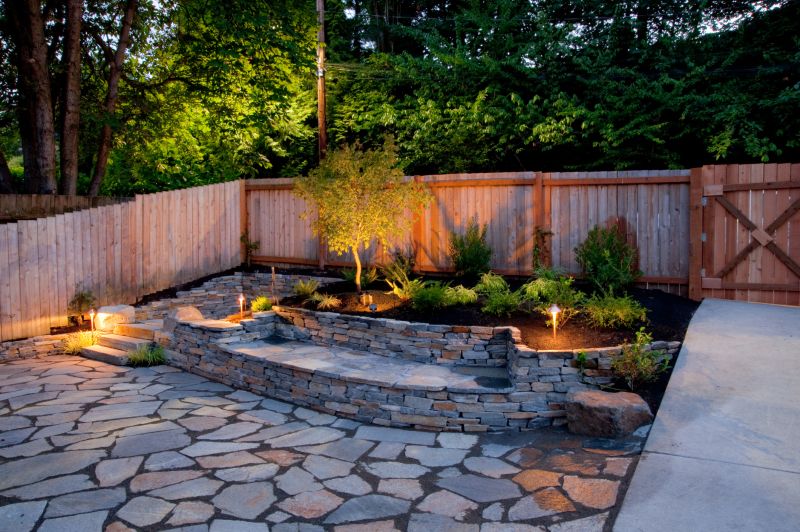
High-end options that actually feel worth it for Backyard Paver Installations.
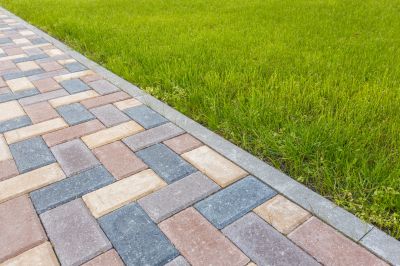
Finishes and colors that play nicely with Backyard Paver Installations.
Mild climates with consistent temperatures are ideal for paver installation, reducing risks related to frost or excessive heat.
Dry soil conditions facilitate proper excavation and bedding, while overly wet soil can hinder work and cause settling issues.
Choosing a season with predictable weather helps ensure project completion without delays caused by rain or extreme temperatures.
Proper curing of pavers and joint materials depends on suitable weather conditions, typically moderate temperatures and low humidity.
| Season | Advantages |
|---|---|
| Spring | Moderate temperatures; longer daylight; good for curing |
| Summer | Warm weather; longer work days; quick drying |
| Fall | Cooler temperatures; ideal for curing; pre-winter completion |
| Winter | Not recommended in freezing conditions; risk of frost damage |
Backyard paver installations require careful consideration of weather patterns and seasonal changes to ensure a durable and visually appealing result. Proper planning and timing can minimize issues related to soil movement, curing, and material setting. It is important to monitor local weather forecasts and soil conditions when scheduling a project to optimize outcomes and avoid delays.
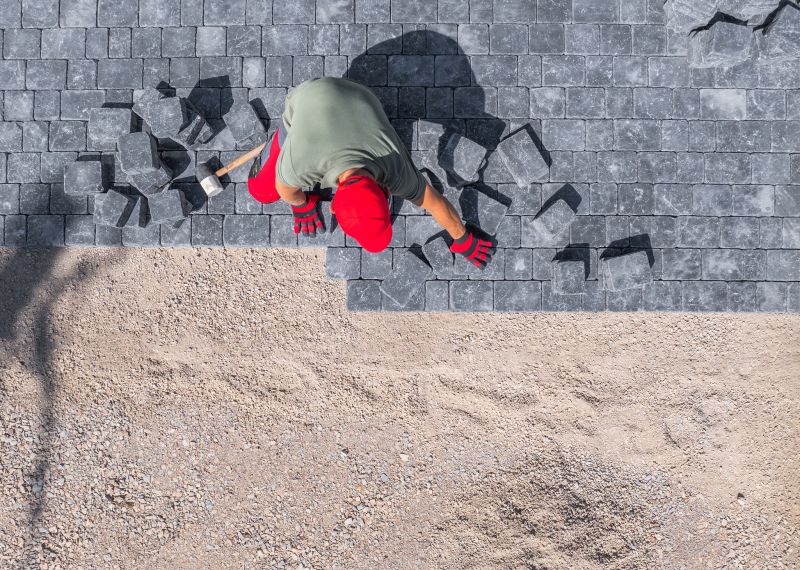
A team working on installing pavers in favorable weather conditions.
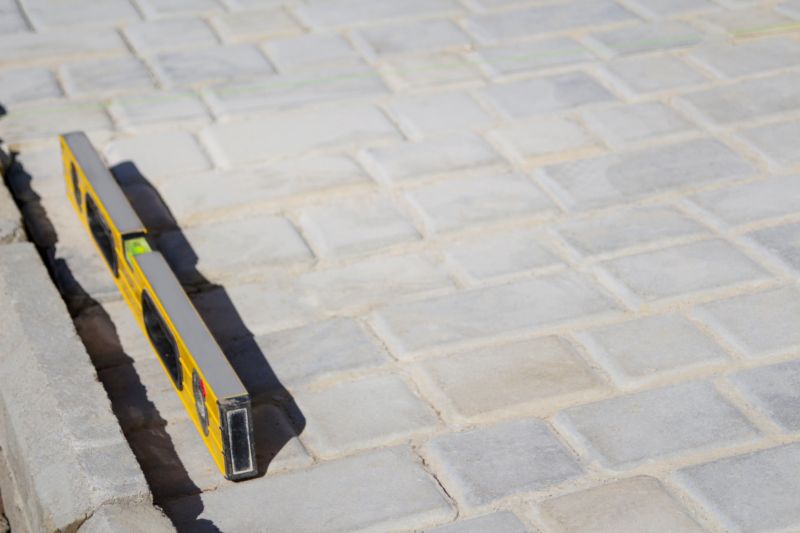
A completed backyard paver surface ready for use.
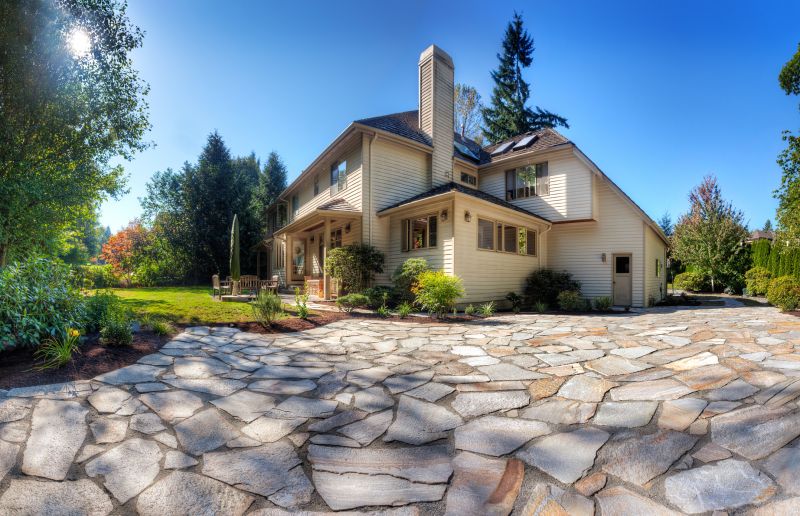
Weather conditions affecting paving projects across seasons.
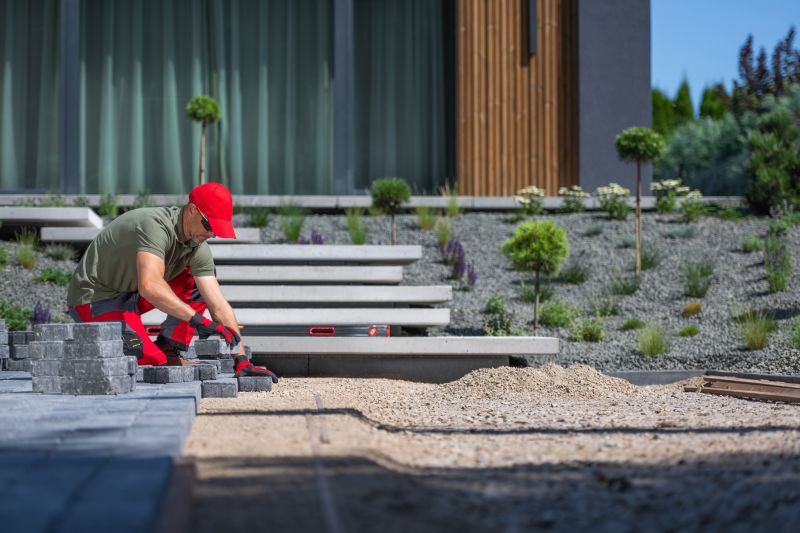
Proper soil and base preparation before paver installation.
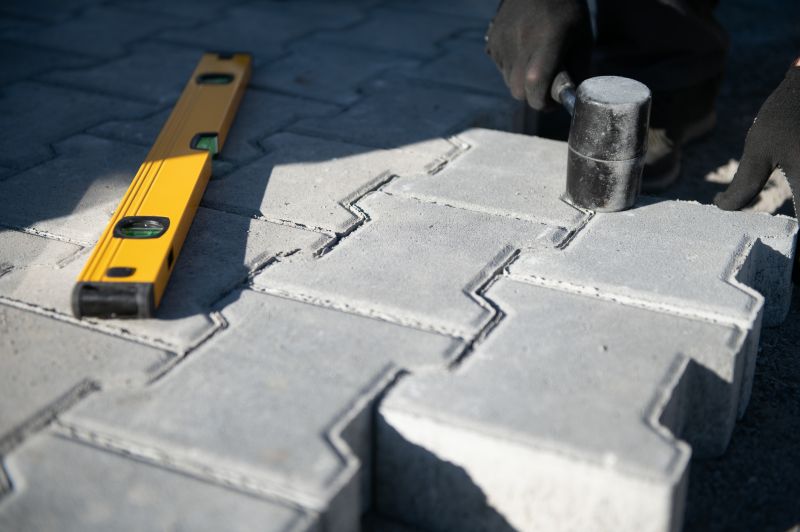
Little measurements that prevent headaches on Backyard Paver Installations day.
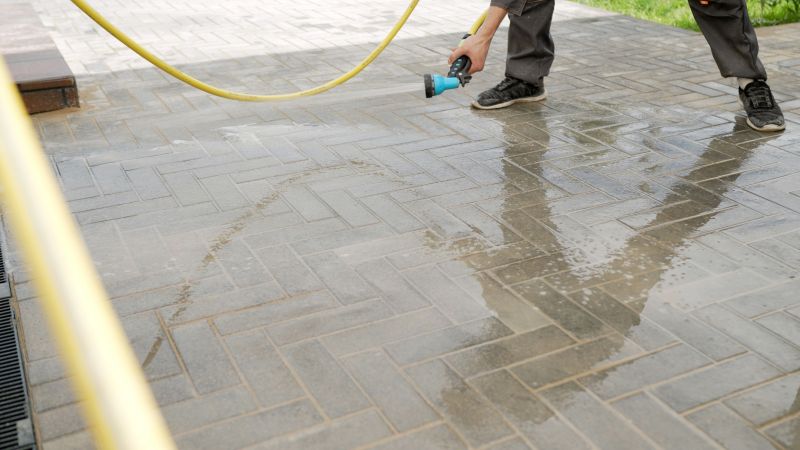
A 60-second routine that keeps Backyard Paver Installations looking new.
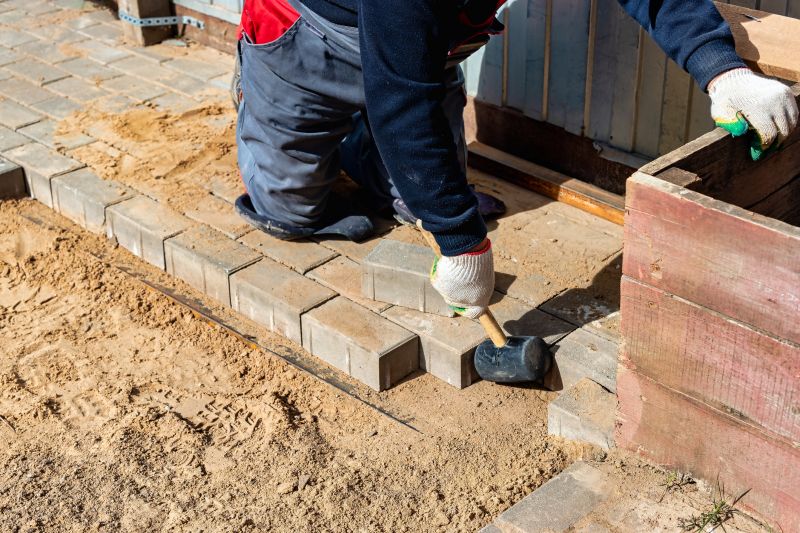
A frequent mistake in Backyard Paver Installations and how to dodge it.
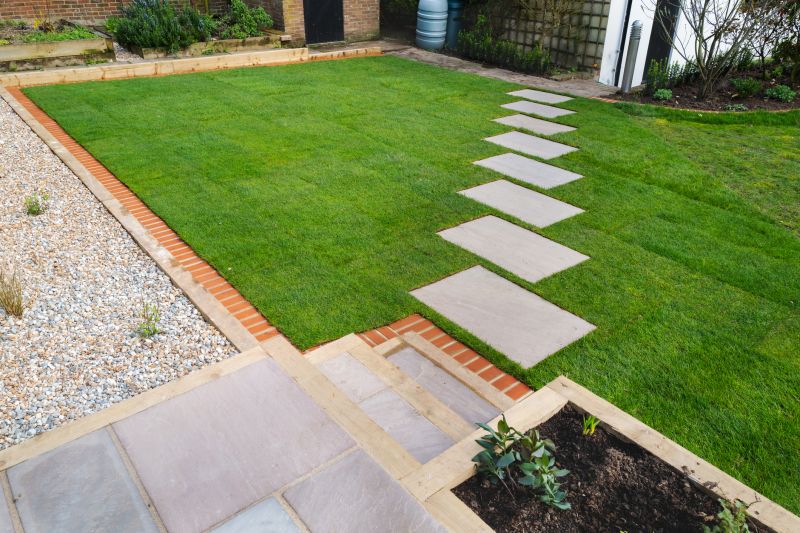
Small tweaks to make Backyard Paver Installations safer and easier to use.
Interested in backyard paver installations? Filling out the contact form can provide detailed information and help schedule your project at the most suitable time for optimal results.